




150 Years of Identity, Creativity, and Vision
Our Story
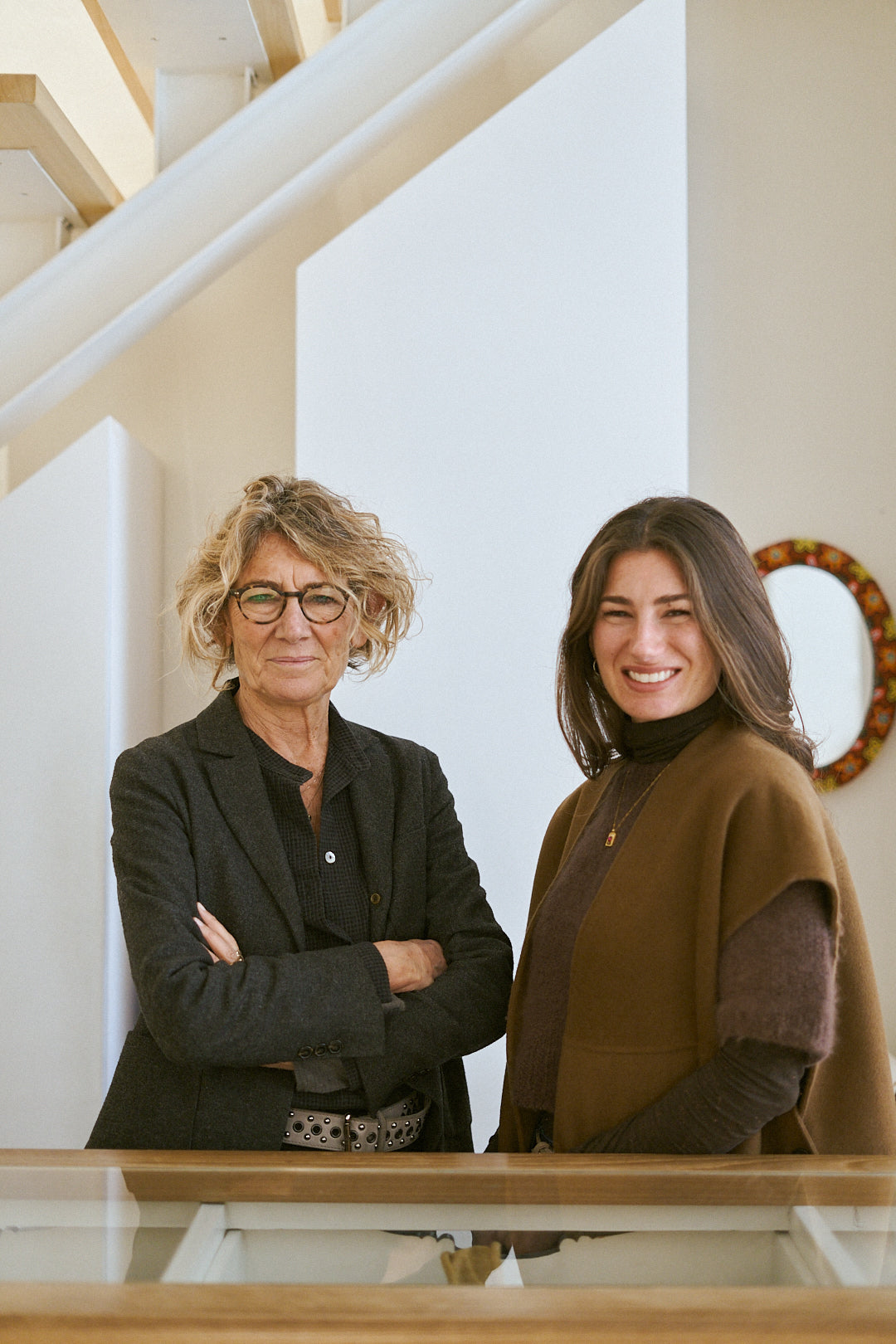
The story of IDEM is a story of freedom — a journey of truth and beauty spanning 150 years, culminating in the project created by Marietta and Ciccio Tramontano, children of Aldo, at the end of the 1990s.
IDEM is a creative and style atelier, an experience of exploration and discovery characterized by diversity, where the founders’ multifaceted experience and the rich Neapolitan cultural and artisanal heritage find space and expression.
“First and foremost, I feel Neapolitan. And perhaps I am able to be creative precisely because I am Neapolitan. Naples gave me love.”
(Aldo Tramontano)
Even in its name, IDEM follows the path of the family’s artisanal tradition of the “Maison Tramontano,” distinguished by the pursuit of authenticity, freedom from convention, and the desire to introduce innovation with every generational transition.
IDEM — the same as always: an extraordinarily contemporary, innovative, and versatile project that reclaims memory and personal, family, and collective identity, not through nostalgia, but through the recovery and reinterpretation of the values most meaningful to our unresolved present.
It all began in the mid-19th century, in the heart of Naples — cradle and port of the Mediterranean, a crossroads of cultures teeming with life. During one of the rare afternoons of leave, while strolling through the narrow streets of the historic center, Gaspare Tramontano, a young cadet of the Royal Military Academy Nunziatella of Naples, became forever captivated by the sincere gaze of the young Amalia Procida.
An irresistible gaze that, within a few weeks, led Gaspare to abandon his military career in order to marry Amalia and join her in managing the trimmings and haberdashery shop on Via Guantai Nuovi in Medina: a treasure chest of precious fabrics, luxury lace, buttons, and cords, used “for beauty” in clothing and interior decoration for the wealthiest lives of the time.
Among their most distinguished clients were the royal families of the House of Savoy and the Bourbons, as well as the Piscitelli, Filiasi, Acton, and Carafa families: a cultured world, aware of its own history and uniqueness, aristocratic and indifferent to bourgeois conventions, always in search of wonder.
A spirit of nonconformity that eventually influenced young Francesco Tramontano, son of Gaspare and Amalia, who in 1910 inherited the reins of the family business, always sustained by an uncommon devotion to truth and the beauty of craftsmanship.
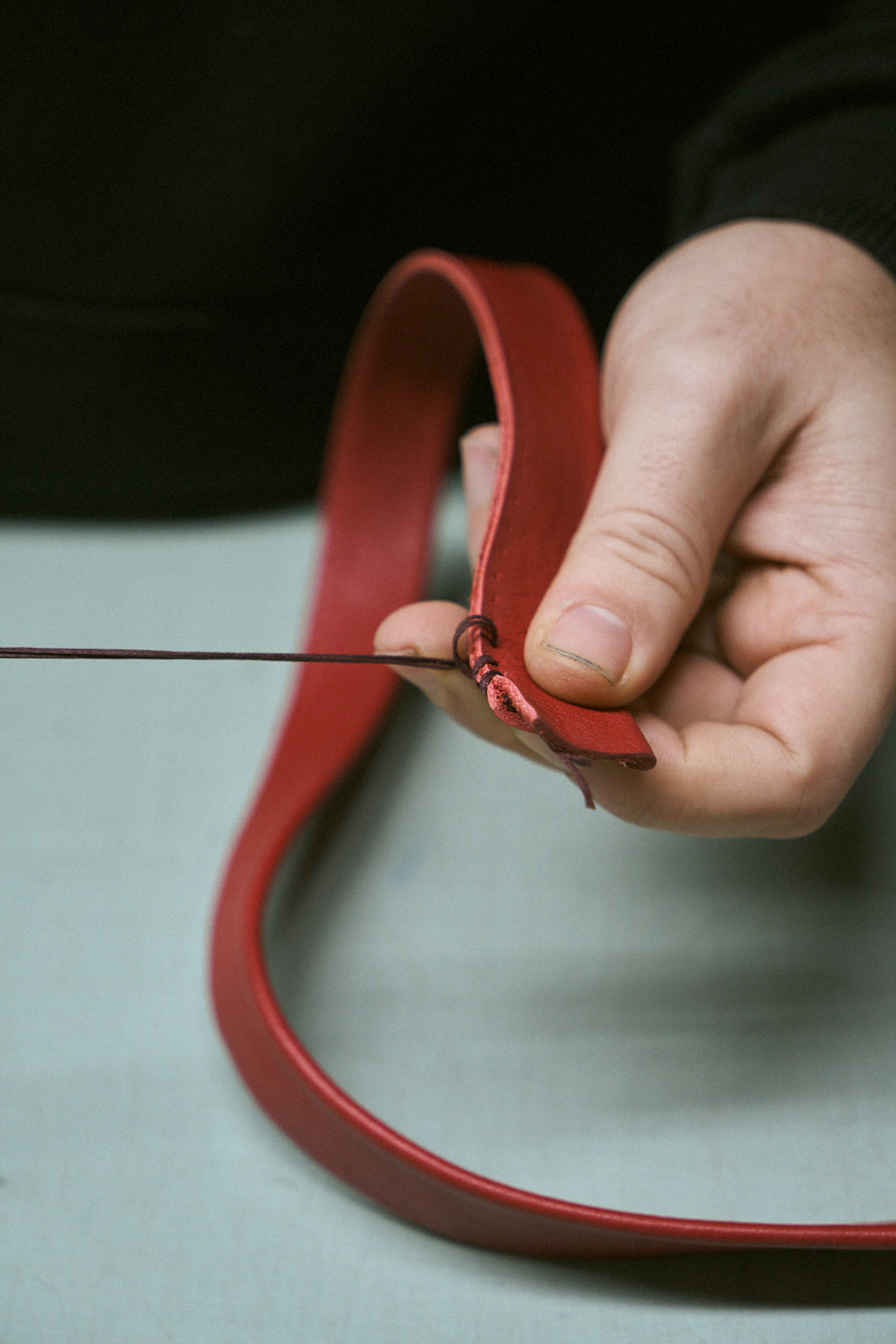
This drive for research and excellence soon led Francesco’s third son, Aldo, to spend time learning in the workshops of wood turners, the caves of Spirito Santo and Sanità, and carpentry shops, studying every gesture — from the thinning of leather hides to the final stitching — while cultivating a deeply personal passion for the art of tanning and leather craftsmanship, once among the finest expressions of Neapolitan artisan tradition (still remembered in city place names such as Via Concerie al Mercato and Porta della Conceria).
The renowned trimmings and silk shop, relocated from Via Guantai Nuovi to the prestigious Via Chiaia, was entrusted to his brothers Gaspare and Guido Tramontano. Meanwhile, Aldo became the driving force of the company in a Naples occupied by Allied forces after the extraordinary popular uprising of late September — the famous “Four Days of Naples.” In 1945, the company moved to Palazzo Cellammare, a magnificent 16th-century residence that had witnessed historic events and housed illustrious artists such as Caravaggio, Torquato Tasso, and Goethe.

Already in its name, IDEM follows the path of the family artisan tradition of the “Maison Tramontano,” distinguished by the pursuit of authenticity, freedom from conditioning, and the desire to introduce an innovative shift with every generational passage.
IDEM, the same as always: an extraordinarily contemporary, innovative, and versatile project that reclaims memory and personal, family, and collective identity, not in a nostalgic way, but through the recovery and reinterpretation of the values most useful to our unresolved present.
It all began in the mid-19th century, in the heart of Naples, cradle and port of the Mediterranean, a crossroads of cultures teeming with life. During one of the rare afternoons of leave, while walking through the narrow streets of the historic center, Gaspare Tramontano, a young cadet of the Royal Military Academy Nunziatella of Naples, was forever enchanted by the sincere gaze of the young Amalia Procida.
An irresistible gaze that, within a few weeks, led Gaspare to abandon his military career in order to marry Amalia and join her in managing the trimmings shop on Via Guantai Nuovi in Medina: a treasure chest of precious fabrics, luxury lace, buttons, and cords, used “for beauty” in clothing or interior decoration for the wealthiest lives of the time.
Among the most illustrious clients were the royal families of the House of Savoy and the Bourbons, the Piscitelli, the Filiasi, the Actons, and the Carafas: a cultured world, aware of its own history and uniqueness, aristocratic and unconcerned with bourgeois conventions, always in search of wonder.
A nonconformism that eventually influenced young Francesco Tramontano, son of Gaspare and Amalia, who in 1910 inherited the reins of the family business, always nourished by an uncommon dedication to truth and to the beauty of manual skill.
A spirit of research that, within a few years, led Francesco’s third son, Aldo, to constantly and profitably frequent the workshops of wood turners, the caves of Spirito Santo and Sanità, and carpentry shops, studying every gesture, from the thinning of hides to the final stitching, while cultivating a deeply personal interest in the art of tanning and leather craftsmanship, once among the finest expressions of Neapolitan artisan tradition (still remembered in city place names such as Via Concerie al Mercato and Porta della Conceria).
Thus, the renowned trimmings and silk shop, moved from Via Guantai Nuovi to the prestigious Via Chiaia, was entrusted to his brothers Gaspare and Guido Tramontano, while Aldo, in a Naples occupied by Allied forces after the extraordinary popular uprising of late September (the famous “Four Days of Naples”), became the new driving force of the company, which in 1945 was relocated to Palazzo Cellammare, a magnificent 16th-century residence, stage of historic events and home to illustrious artists such as Caravaggio, Tasso, and Goethe.
“Business opportunism is irreconcilable with craftsmanship. Those who possess creative talent do not have the time to think about forms of speculation.”
(Aldo Tramontano)

PRESS


